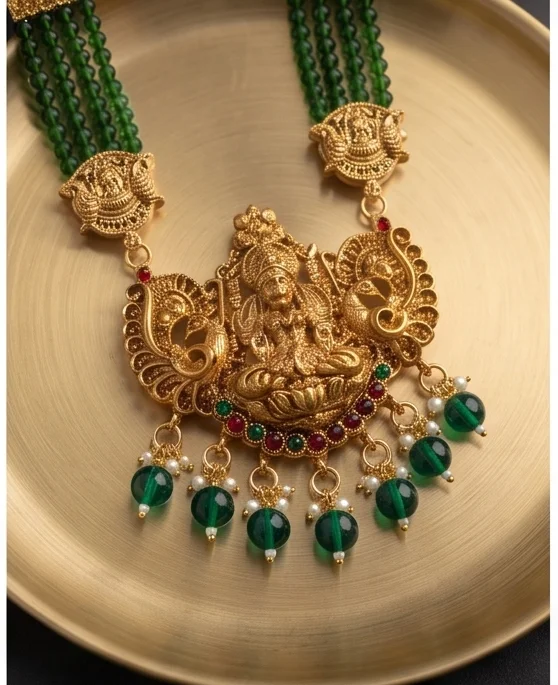
When placing a wholesale order for imitation jewellery, one of the most consequential decisions is the choice of base metal. The base metal is the foundation upon which plating, stone setting and finishing are built: it determines weight, durability, casting precision and ultimately what your retail customer receives. At Jagruti Imitation Jewellery, we work extensively with both Mazak (a zinc-based alloy) and Brass (a copper-zinc alloy). This article breaks down the differences so you can make an informed inventory decision.
What is Mazak?
Mazak, also spelled Mazac or Zamak, is a zinc-based alloy containing approximately 95% zinc with small quantities of aluminium, magnesium and copper. It is widely used in die-casting and has become a mainstay in imitation jewellery manufacturing. Key properties include:
- Lower weight: Mazak is approximately 30% lighter than brass, making it ideal for large statement pieces that should not feel heavy on the wearer.
- Excellent casting detail: The alloy flows smoothly into complex moulds, capturing fine filigree, deity motifs and intricate patterns with high precision.
- Cost-effective: Mazak is generally more affordable than brass, reducing per-unit cost for high-volume B2B orders.
- Smooth surface: The fine grain structure of Mazak yields a surface that requires less pre-plating preparation.
What is Brass?
Brass is an alloy of copper (typically 60:70%) and zinc (30:40%). It has been used in Indian jewellery for centuries and carries a traditional prestige that Mazak cannot replicate. Key properties include:
- Heavier feel: Brass has a satisfying weight that many customers associate with quality. For traditional jewellery buyers, heaviness is a selling point.
- Superior plating adhesion: The copper content in brass creates an ideal substrate for electroplating. Gold plating on brass tends to bond more durably than on Mazak.
- Traditional appeal: Brass has a legacy in Indian ornamentation that resonates strongly with temple jewellery and bridal segments.
- Corrosion resistance: Brass develops a natural patina over time rather than degrading, though proper plating eliminates this concern.
Side-by-Side Comparison
| Factor | Mazak (Zinc Alloy) | Brass (Copper-Zinc) |
|---|---|---|
| Weight | Lighter (+30% less) | Heavier, traditional feel |
| Casting Detail | Excellent, sharp detail | Good, slightly less sharp |
| Plating Adhesion | Good (with proper pre-treatment) | Excellent (copper aids bonding) |
| Durability | Good; can become brittle over years | Very good; malleable, less brittle |
| Cost per Unit | Lower | Higher (+15:25%) |
| Best For | Contemporary, large sets, intricate castings | Temple jewellery, bridal, traditional |
Temple Jewellery: Brass is King
For temple jewellery: long haaram necklaces, Lakshmi pendants, Ganesha chokers and Guttapusalu sets: brass remains the preferred choice among wholesale buyers. The reasons are straightforward. Temple jewellery is meant to feel substantial; a heavy brass haaram communicates value in a way that lighter Mazak alternatives cannot. The antique gold plating also bonds more durably to the copper-rich surface, producing a deeper, more lustrous finish that ages gracefully.
Contemporary Designs: Mazak Excels
For contemporary and fashion-forward designs: chunky chains, layered necklaces, oversized earrings and geometric pendants: Mazak is often the superior choice. The lighter weight allows larger, bolder silhouettes without discomfort. Its casting precision yields sharper edges and cleaner lines that suit modern aesthetics. And the lower material cost means retail price points can stay competitive while maintaining healthy margins for the B2B buyer.
How Jagruti Approaches Base Metal Selection
At Jagruti Imitation Jewellery, we do not take a one-size-fits-all approach. Every custom design we manufacture begins with a conversation about the intended market, retail price point and aesthetic. For a Tamil Nadu temple jewellery distributor, we default to brass. For a Dubai-based fashion jewellery importer targeting younger buyers, we recommend Mazak. Both alloys go through the same rigorous multi-stage plating process at our Kandivali East, Mumbai workshop and every unit passes quality control before despatch.
The right choice depends entirely on your customer. Browse our wholesale catalogue to see both metals in finished form, or contact our trade desk to discuss which base metal suits your next order.
Need help choosing the right base metal for your order?
Talk to Our Trade Desk →